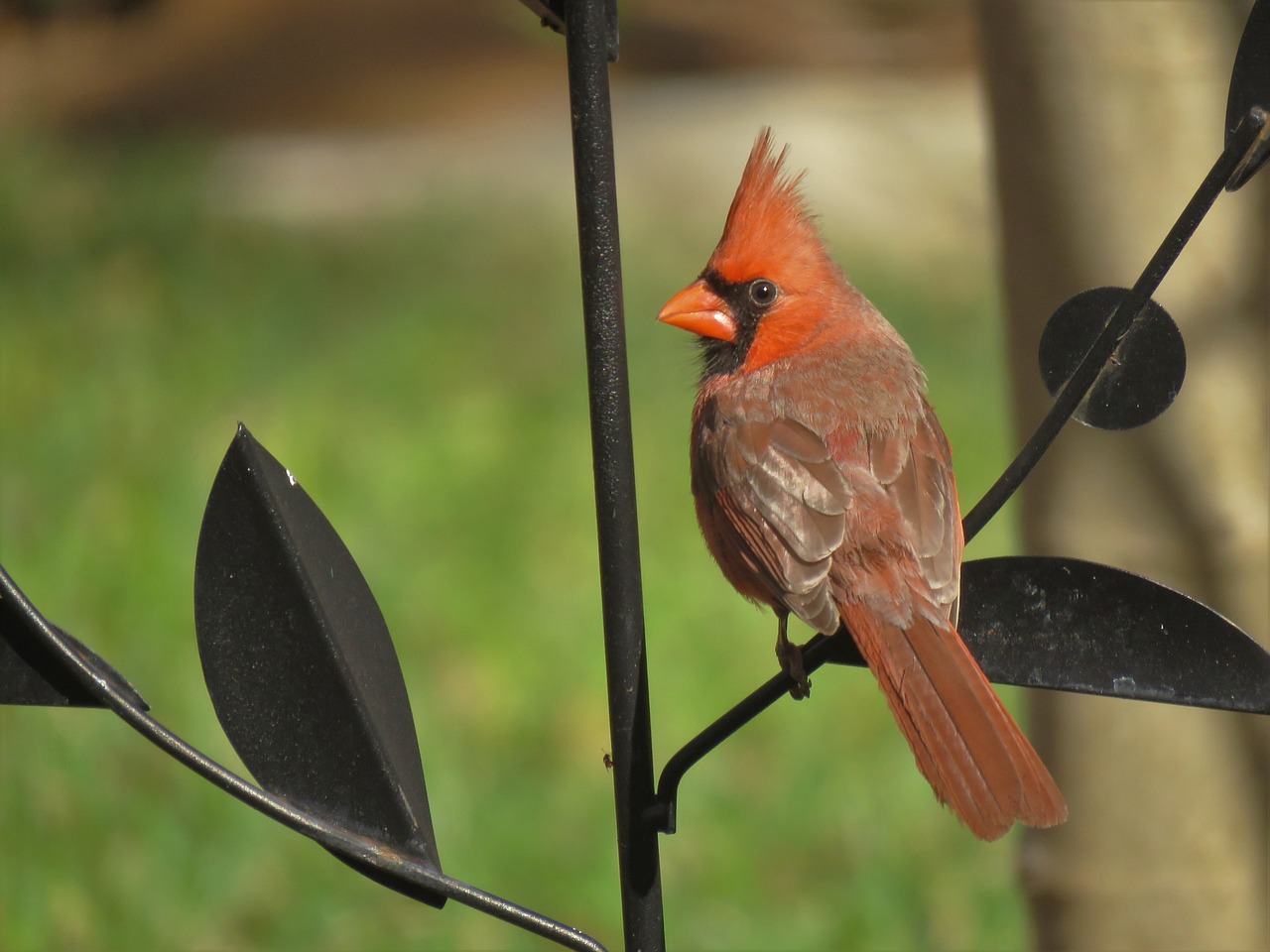
My feeders have been busy lately in Minnesota. Cardinals showing up in pairs, Sparrows working through millet like it’s their job, Chipping Sparrows popping in here and there. And then…nothing. For a few days, the feeders go quiet. Both of my cats and I are disappointed. If your birds are disappearing from feeders this spring, you’re not alone!
If you’ve been staring at an empty feeder wondering what you did wrong, I want to save you the spiral. You didn’t do anything wrong. Spring is just weird for bird feeding, and once you understand why, it becomes a lot less alarming and a lot more interesting.
Disclaimer: Some links found on this page might be affiliate links. If you click an affiliate link and make a purchase, I might earn a commission. As an Amazon Associate I earn from qualifying purchases.
Reason #1: Natural Food is Back on the Menu

This is probably the biggest one. When spring arrives, the natural buffet reopens. Insects emerge, berries ripen, seeds become available in fields and forests. Birds that spent a good chunk of winter relying heavily on your feeders suddenly have options again.
As the Audubon Society notes, birds will often disappear from feeders for stretches of time when richer or more abundant wild food sources are available. Your sunflower seed is like a convenient fast-casual restaurant…but a yard full of emerging insects is gourmet dining by comparison. You can’t compete with that, and you don’t need to.
Reason #2: Nesting Season Changes Everything
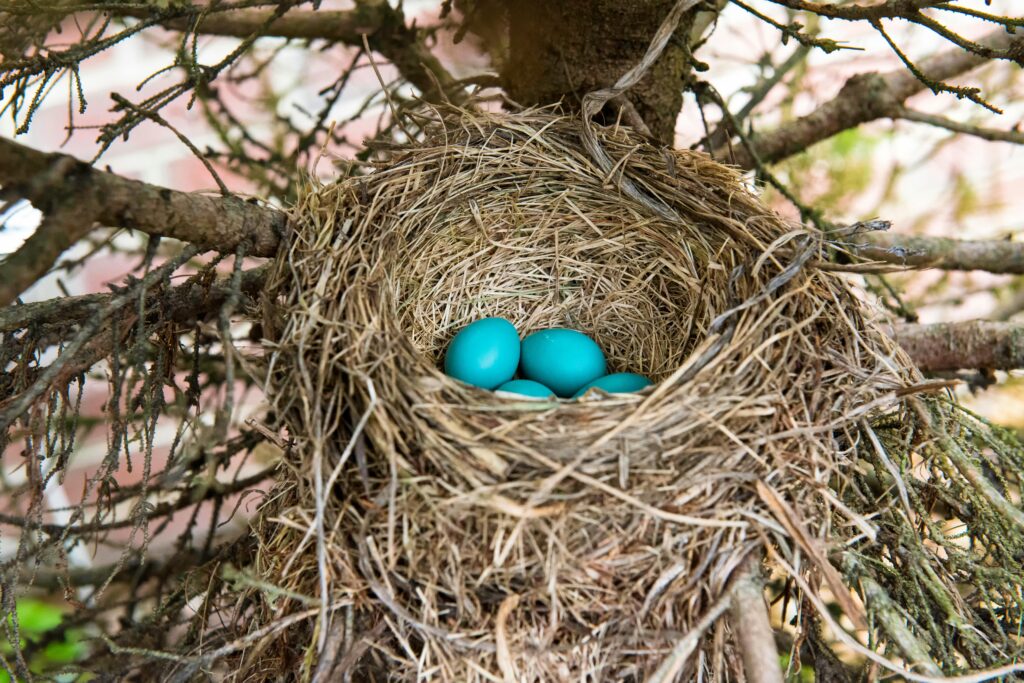
Spring is breeding season, and that reshuffles every priority a bird has. Birds are scouting territories, building nests, attracting mates, and eventually feeding nestlings, which often means hunting for protein-rich insects rather than seeds.
The U.S. Fish & Wildlife Service describes nesting season as a time of high alert and dramatic behavioral shifts. Birds are more elusive, more territorial, and far more focused on survival tasks than feeder visits. Male Cardinals in particular can seem to vanish when they’re busy defending territory or tending to a nest. One week they’re at your feeder every morning. The next, they’re nowhere to be found, but they’re very much still in the neighborhood.
Reason #3: Migration is Reshuffling the Deck
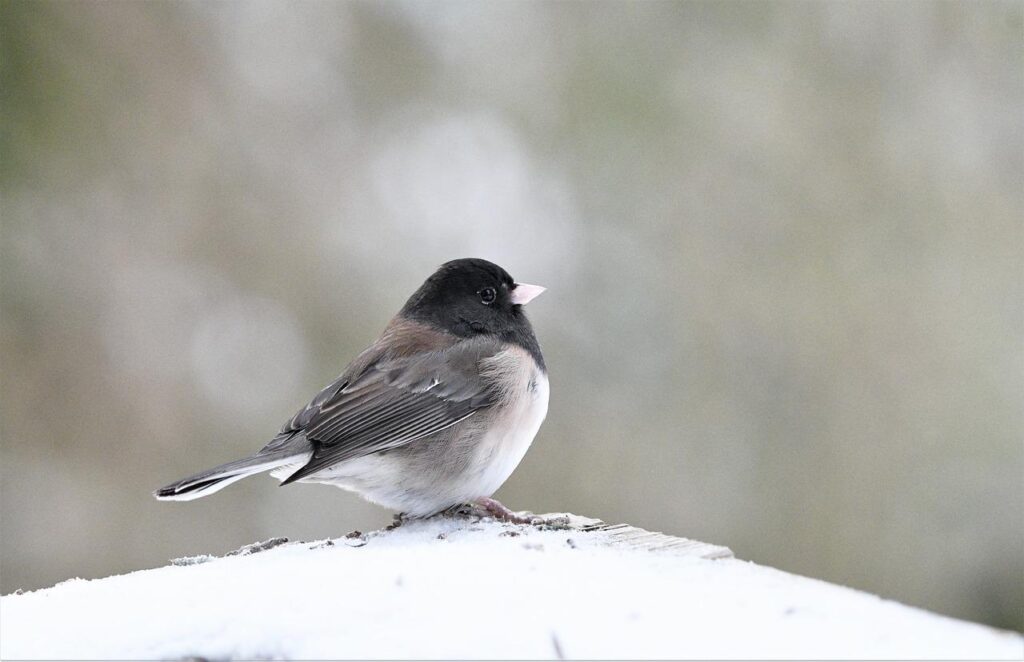
Some of the birds you saw all winter have quietly packed up and left for different breeding grounds. A prime example for me are the Dark Eyed Juncos moving north into Canada. At the same time, new species passing through on migration may show up briefly. Spring feeder traffic isn’t just lower, it’s different. The cast of characters changes.
A Note on Woodpeckers Specifically
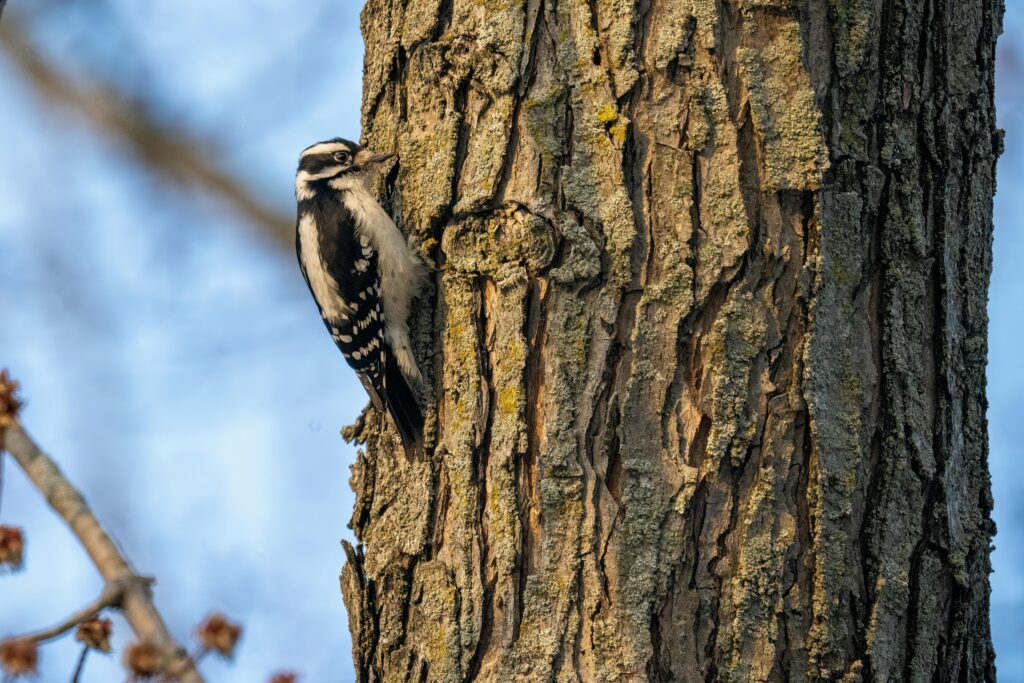
My Downy, Hairy, and Red-Bellied Woodpeckers have been MIA lately, and I have a theory: My neighbors started putting out suet. More competition in the neighborhood means the birds have more options close by and less reason to make the trip to my station specifically.
This is worth pointing out: If you’re in the same boat, it’s not necessarily a food problem, it might just be a supply problem. When suet is everywhere on the block, your particular feeder becomes one of many stops instead of the destination. The good news is they’ll be back. Woodpeckers are loyal once they lock onto a reliable food source. Check out my full guide to attracting Woodpeckers in Minnesota if you want to dig into what each species prefers.
What You Can Do About It

Here’s where I’ll push back on the “just wait it out” advice. Yes, some disappearance is inevitable. But there’s plenty you can do to keep your yard active and attract new spring arrivals at the same time.
- Offer more variety. I run a tube feeder, hopper, and suet feeder, but I’ve expanded my food menu significantly for spring. Right now I’m offering black oil sunflower seed, white millet, a fruit mix suet, and I’ve added fresh fruit and grape jelly as a platform offering. White millet is a real asset in spring: It keeps ground-feeding Sparrows and Doves consistent even when other species are less predictable. For my fruit mix, I’ve been using this one, which has been a hit.
- Get ready for Baltimore Orioles and Hummingbirds. Spring isn’t just about holding onto your winter birds, it’s about welcoming new ones. Grape jelly and orange slices are your best tools for attracting Baltimore Orioles when they arrive in late April and May (read more here). And if you haven’t put out a nectar feeder yet, now is the time to start reading up. Ruby-Throated Hummingbirds start showing up across the U.S. in the mid/late spring, and having your feeder ready when they arrive makes a big difference (read more here).
- Invest in a quality squirrel-proof feeder. If you’re going to have multiple food offerings out, a large squirrel-proof feeder is worth every penny. It keeps the seed accessible to birds and out of reach of squirrels, which means less waste and more value from what you’re putting out. My go-to is the Droll Yankee Flipper – I’ve written a full review if you want the details on why I love it. It holds five pounds of seed and has been completely squirrel free for me.
- Keep your feeders clean. This is easy to let slide in spring, but it matters more than ever. Warmer temperatures mean seed spoils faster and disease risk at crowded feeders goes up. Cornell Lab recommends cleaning your feeders at least every few weeks, more often in humid stretches.
- Be patient with birds. They haven’t abandoned you. Birds are known for irregular spring appearances as they shift into breeding mode. Pairs often break from feeders for several days at a time during courtship and nesting. When they come back, they usually come back strong, often with a juvenile in tow later in the summer. This is one of my favorite things to witness at a feeder. Keep the faith! If you just put feeders out for the first time, it can also take weeks or months for birds to find them and settle in.
The Bottom Line
A quiet feeder in spring doesn’t mean something’s wrong — it means your local birds are doing exactly what they’re supposed to do. They’re nesting, foraging, competing, migrating. Life is full for them right now.
Your job is to keep the station stocked, diversify what you’re offering, and get ready for the spring arrivals that are just around the corner. Do that, and you’ll have plenty to watch in the weeks ahead.
Happy bird feeding.
Sources: Cornell Lab of Ornithology (All About Birds), Audubon Society of Rhode Island, U.S. Fish & Wildlife Service