
Putting out nectar in a hummingbird feeder is sure to draw in a ton of hummers, but you’ll be surprised to find other birds stopping by to get a sip of nectar.
I wanted to put together a fun quick-reference guide with photos below on other birds you can see drinking nectar. For more on how to draw in hummingbirds and the types of feeders they enjoy, I encourage you to check out my in-depth story on that topic here.
Here are four birds you’re likely to see at hummingbird feeders on occasion. Unlike other blogs and websites, I’m only listing likely candidates here. Sure, a Chickadee might visit a hummingbird feeder once in a blue moon, but it’s unlikely.
If you want other types of birds to visit your hummingbird feeder, I’d recommend getting a feeder that has a large base to support the weight of these larger birds. Something like this feeder should be great.
Disclaimer: Some links found on this page are Amazon affiliate links. If you click an affiliate link and make a purchase, I might earn a commission. As an Amazon Associate I earn from qualifying purchases. (There’s no extra cost to you if you do this).
1. Baltimore Orioles
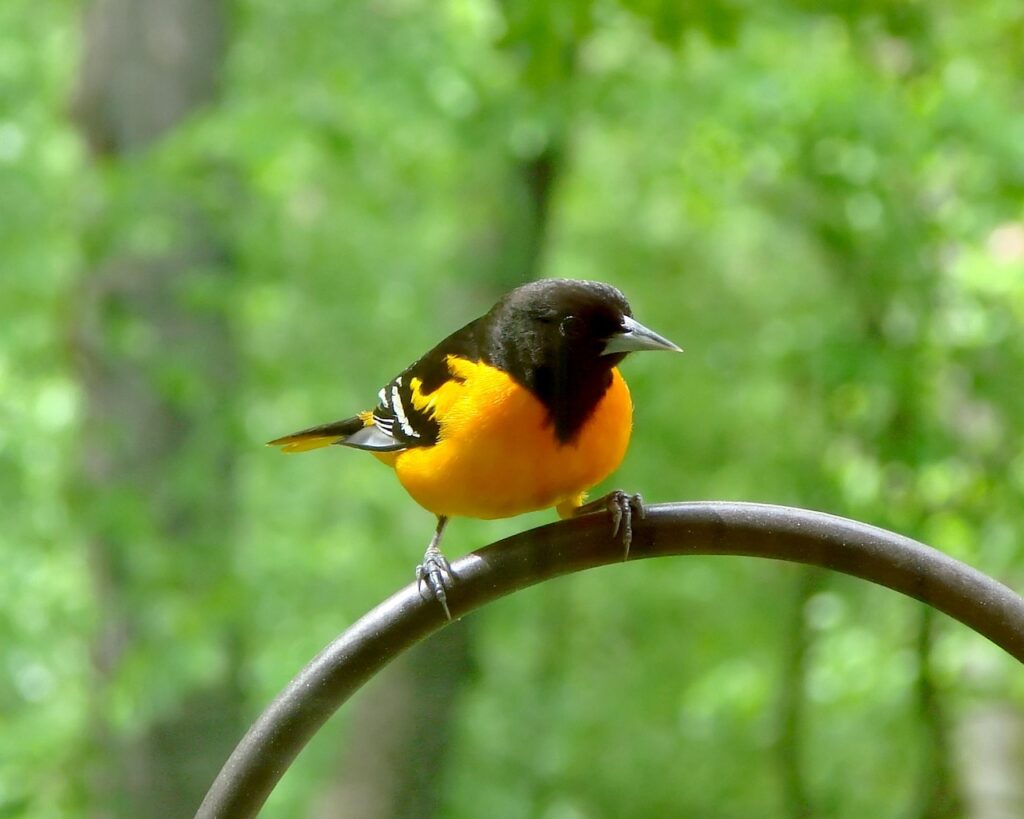
Baltimore Orioles are fond of grape jelly and orange slices when they return north during their spring migration, but they’ll also check out nectar feeders!
Keep your eyes peeled in the late-spring and late-summer before they start their trip back south.
Related Content: The Best Amazon Baltimore Oriole Feeders: Top 9 Picks
2. Red-Bellied Woodpeckers
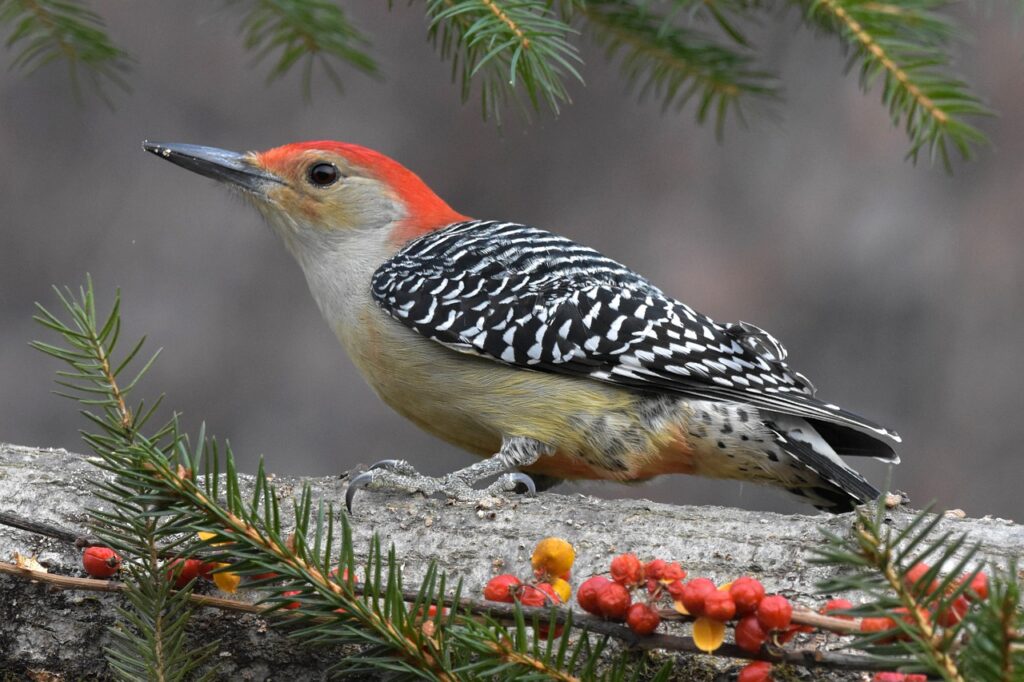
Yes, Red-Bellied Woodpeckers! They’re top pick at bird feeders is suet, but you may spot one getting its sugar fix on at any hummingbird feeder they can latch on to. They’ll also enjoy orange slices put out for Orioles!
3. Yellow-Rumped Warblers
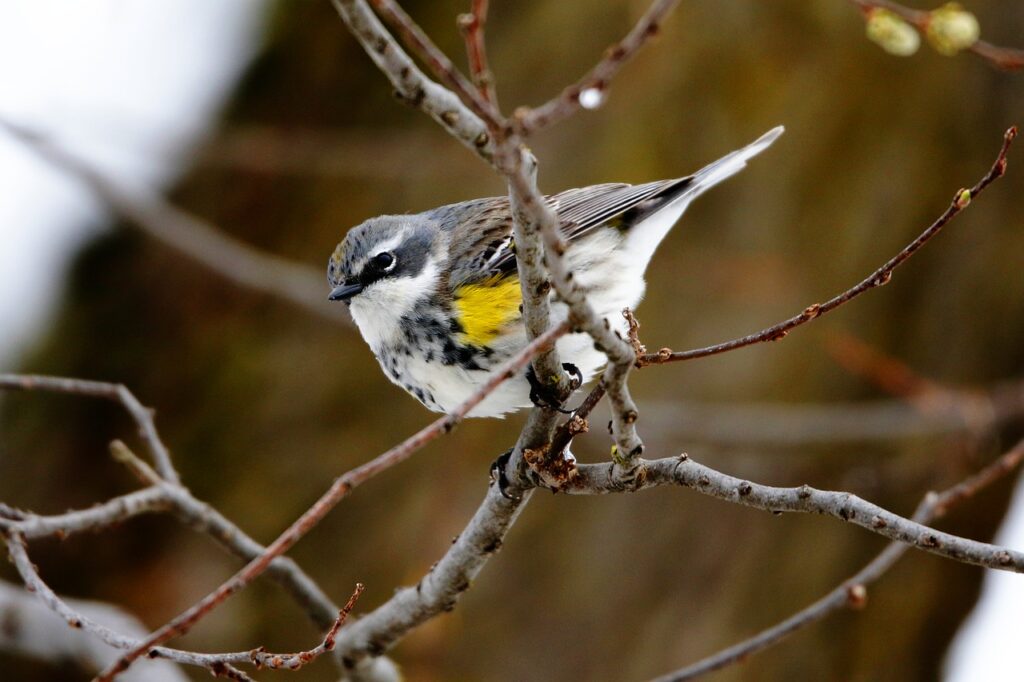
Yellow-Rumped Warblers (AKA: Butter Butt’s. Yes, I’m serious) are rarer feeder birds, but you might luck into seeing one if they stop by a hummingbird feeder for a quick sip. Keep your eyes peeled!
4. House Finches
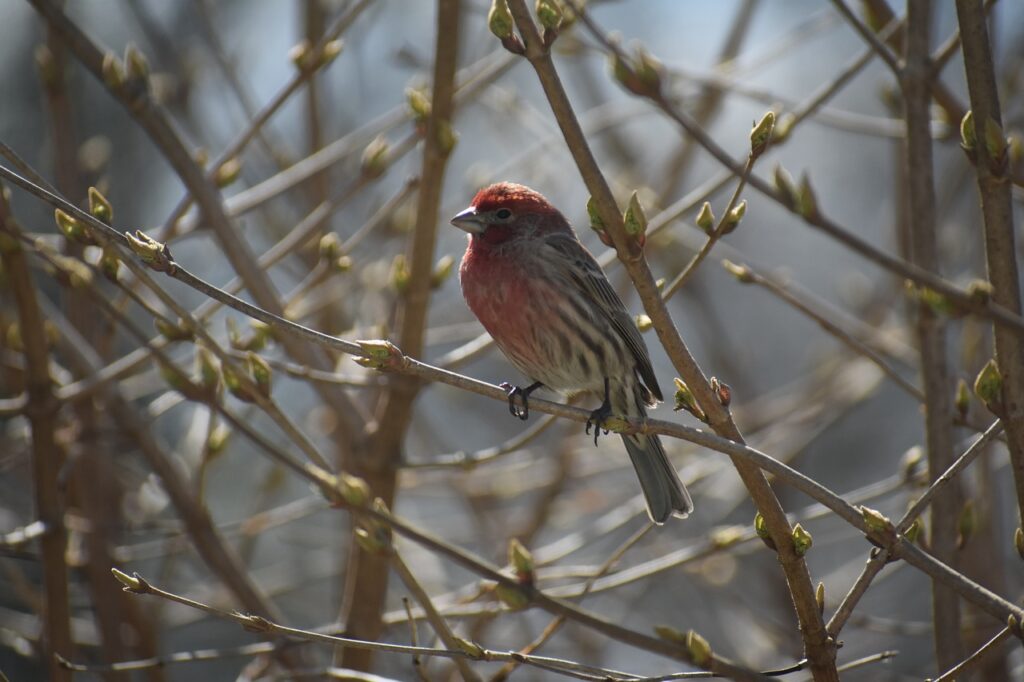
House Finches are common bird feeder visitors that enjoy a sweet treat! I see House Finches sampling the grape jelly I leave out for Baltimore Orioles every spring. They will also sample nectar if you have a feeder they can perch on and get into!
Frequently Asked Questions
What birds drink hummingbird nectar besides hummingbirds?
The most common nectar feeder visitors beyond hummingbirds are Baltimore Orioles, Red-bellied Woodpeckers, Yellow-Rumped Warblers, and House Finches. In my own Minnesota backyard, Orioles and House Finches are the regulars at my nectar feeder, while the Red-bellied Woodpecker shows up just often enough to surprise me. Downy Woodpeckers, Orchard Orioles, and Tanagers might stop by too, depending on your region and the time of year. Spring and late summer migration windows tend to give you the most variety.
Is hummingbird nectar safe for other birds?
Yes, the standard 4:1 water-to-white-sugar ratio is safe for any bird that visits your feeder. Stick with plain white granulated sugar, and skip the honey, brown sugar, and red dye.
Will Baltimore Orioles use a hummingbird feeder?
Yes, and this is one of my favorite bird feeding surprises. Baltimore Orioles will drink from hummingbird feeders, though they strongly prefer ones with larger ports and sturdy perches. If you want them to stick around, pair your hummingbird feeder with grape jelly and orange slices, or pick up a dedicated Oriole feeder with built-in jelly cups.
How do I keep my nectar feeder accessible to multiple bird species?
The biggest mistake I made early on was buying the small saucer-style feeder designed only for hummingbirds. If you want Orioles, woodpeckers, and finches to join the party, look for a feeder with a wide base, sturdy perches, and larger feeding ports. Hanging your feeder within about 10 feet of cover (a tree or shrub) also helps the larger, more cautious birds feel comfortable enough to approach. That single change made the biggest difference in my own setup.
How often should I change the nectar?
Every couple days in hot weather (above 80°F) and every 3-4 days in cooler temperatures. Cloudy or moldy nectar is bad news for every species, no exceptions. Heads up that once you start attracting multiple birds, your feeder will empty noticeably faster than a hummingbird-only setup.
Pingback:What Birds Eat Hummingbird Feeders: 8 Species You'll See Daily
Pingback:How to Transition Your Bird Feeders from Winter to Spring – A Guide from Minnesota - BIRD BITES